

Quito, nestled in the heart of the Ecuadorian Andes, is not only a historically and culturally vibrant city but also a region blessed with exceptional biodiversity. Its location in the inter-Andean region and its close proximity to the Andean Chocó, designated a UNESCO Biosphere Reserve (Quito Informa, 2022), allow it to host a wide variety of ecosystems where unique species of flora and fauna coexist, many of them endemic and native.
For Rincón Familiar Boutique Hotel, understanding and valuing this natural heritage is not only a way to enrich the visitor’s experience but also an active commitment to environmental conservation.
Quito: A Natural Environment Unique in the World
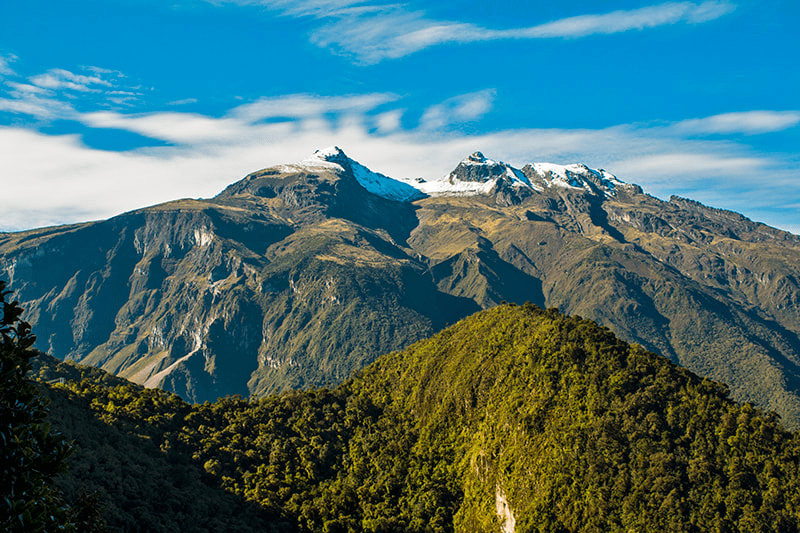
The city of Quito is surrounded by páramos, Andean forests, and valleys that form a mosaic of ecosystems. In fact, the Metropolitan District of Quito is home to more than 17 different ecosystems. This incredible geographic diversity allows for the evolution of species adapted to unique microclimates. According to monitoring by the Quito Biodiversity Action Plan, the capital is home to approximately 10% of Ecuador’s vascular plant species and one of the highest levels of bird diversity globally in urban environments (Quito Informa, 2023).
Endemic and native flora of Quito
The flora of the Quito Andes is particularly rich and adapted to the changing climatic conditions at high altitudes. Some representative species include:
(Rodrisan, 2026)
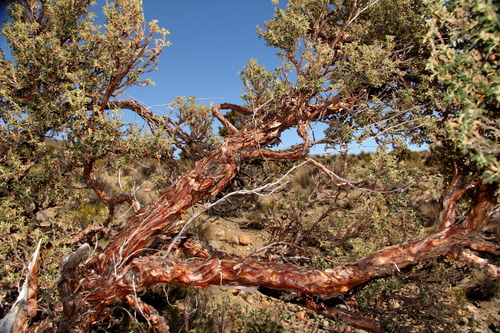
1. Paperbark Tree (Polylepis): These trees grow in high-mountain areas, and their thin layers of bark are essential for soil conservation and fog capture. They are considered key ecosystems for water regulation in the páramos that supply water to the city (Bioweb, 2018).
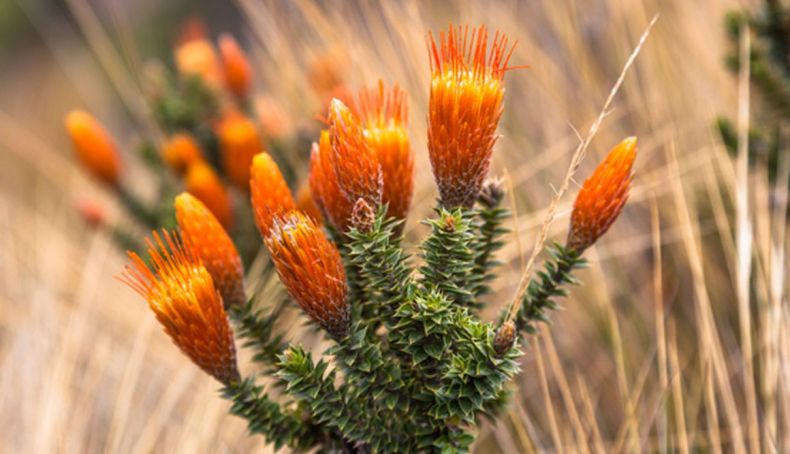
2. Chuquiragua (Chuquiraga jussieui): Historically known as the “mountaineer’s flower,” this highly resilient plant grows in rocky, arid, and cold terrain. Its distinctive orange flower is a symbol of the resilience of Andean nature and serves as a vital food source for hummingbirds inhabiting the high mountains (Jardín Botánico de Quito, 2024).
(Yolanda Vázquez, 2026)
(Rincón Familiar Hotel Boutique, 2026)
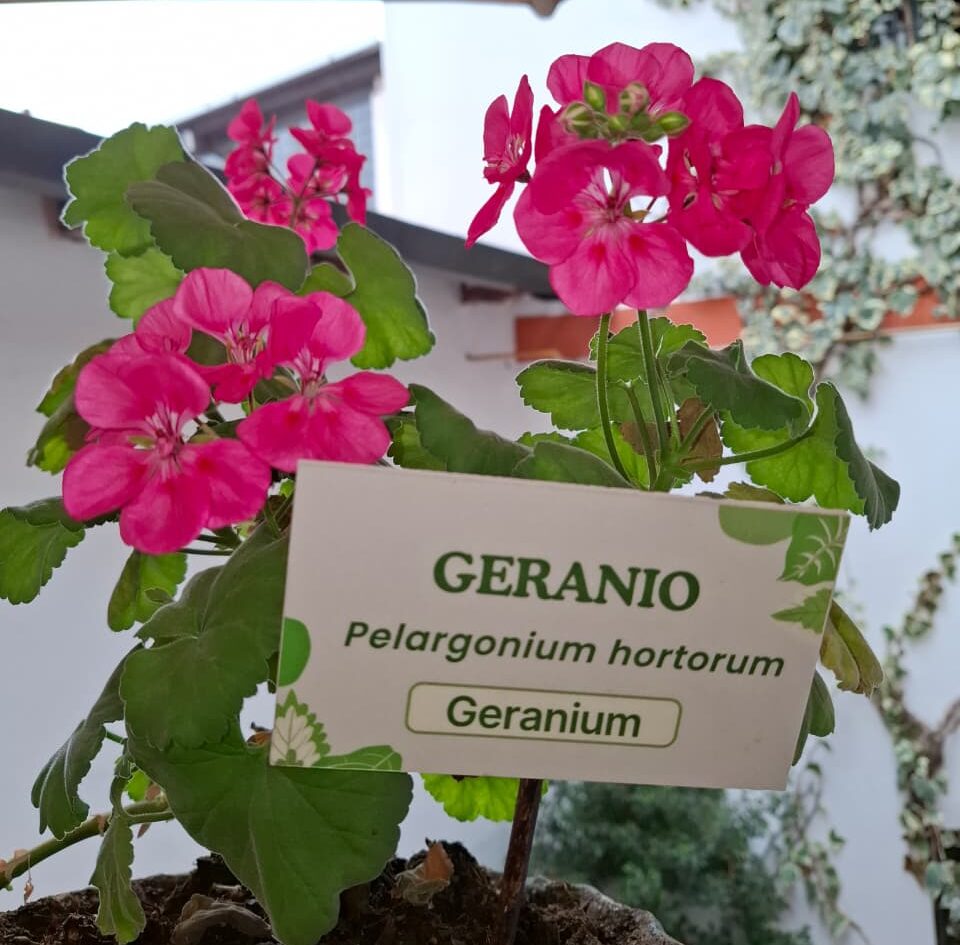
3. Geranium (Pelargonium): The soul of Quito’s balconies: Although its historical origins trace back to the African continent, the geranium has become so naturalized and integrated in Quito that it is the city’s official flower and the heraldic symbol of its Historic Center’s identity (Municipio de Quito, 2021). It is also an essential part of the Rincón Familiar Hotel Boutique, as these flowers fill our space with color and life, connecting our guests with colonial tradition and the warmth of a Quito home.
(Jardín Botánico, 2026)
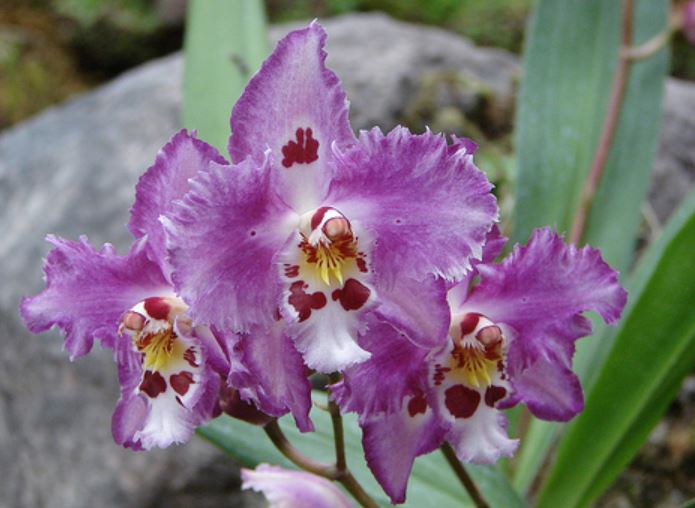
4. Orchids of Quito: The Metropolitan District is a true botanical sanctuary, home to hundreds of species, mainly concentrated in the protected areas of the northwest (El Telegrafo, 2017). Notable genera include Cyrtochilum and the tiny, fascinating Pleurothallis, which demonstrate the fragility and perfection of Andean microclimates (Bioweb, 2019).
Endemic and native wildlife of Quito
The fauna of the Quito region is equally remarkable, featuring species adapted to high altitudes, deep valleys, and highly variable climates.
1.Andean Condor (Vultur gryphus): An iconic bird of the Andes and a national symbol featured on Ecuador’s coat of arms. The Metropolitan District has special protection zones and monitoring through the Condor Guardians Network in its eastern highlands (Fundación Zoológico del Ecuador, 2021). Its sightings in high-altitude areas are a crucial ecological indicator of healthy ecosystems.
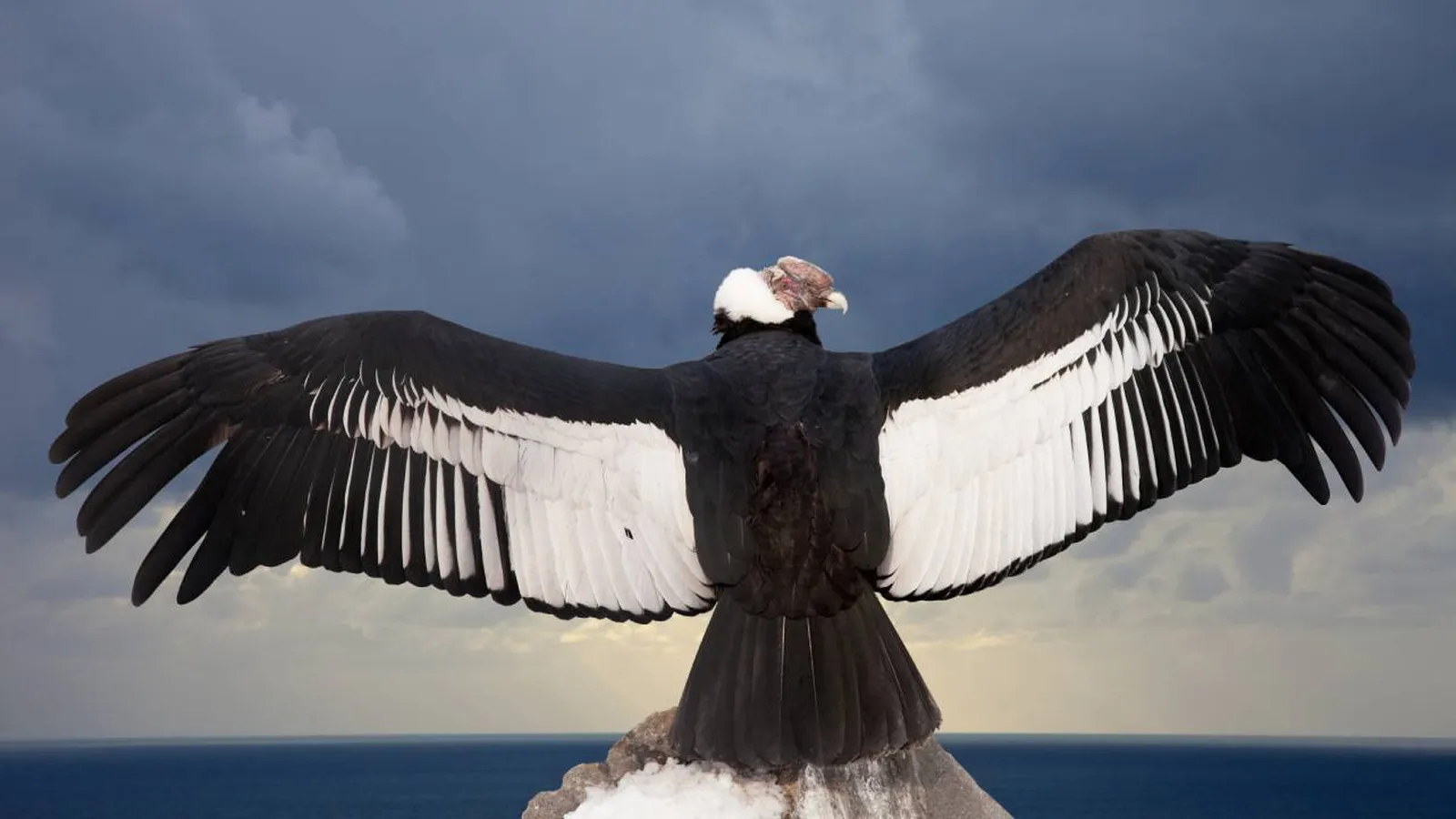
(Hogarmanía, 2022)
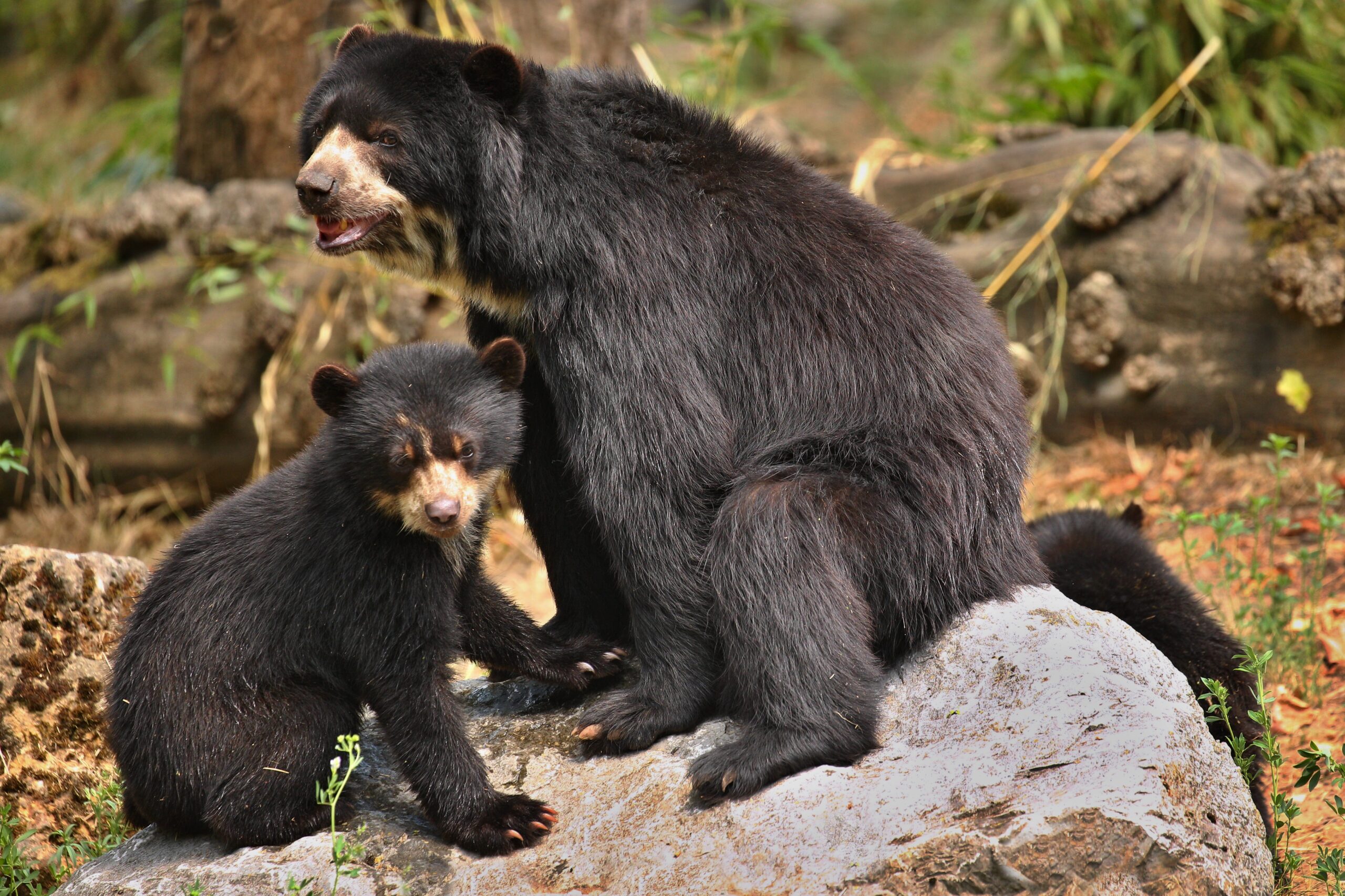
2. Spectacled Bear (Tremarctos ornatus): It is the only bear native to South America. Quito has a legally protected ecological corridor dedicated to its conservation in the northwest (in rural parishes such as Maquipucuna, Nanegalito, and Yunguilla). It is considered an “umbrella species,” vital for seed regeneration and dispersal in cloud forests (Pichincha es Turismo, 2025).
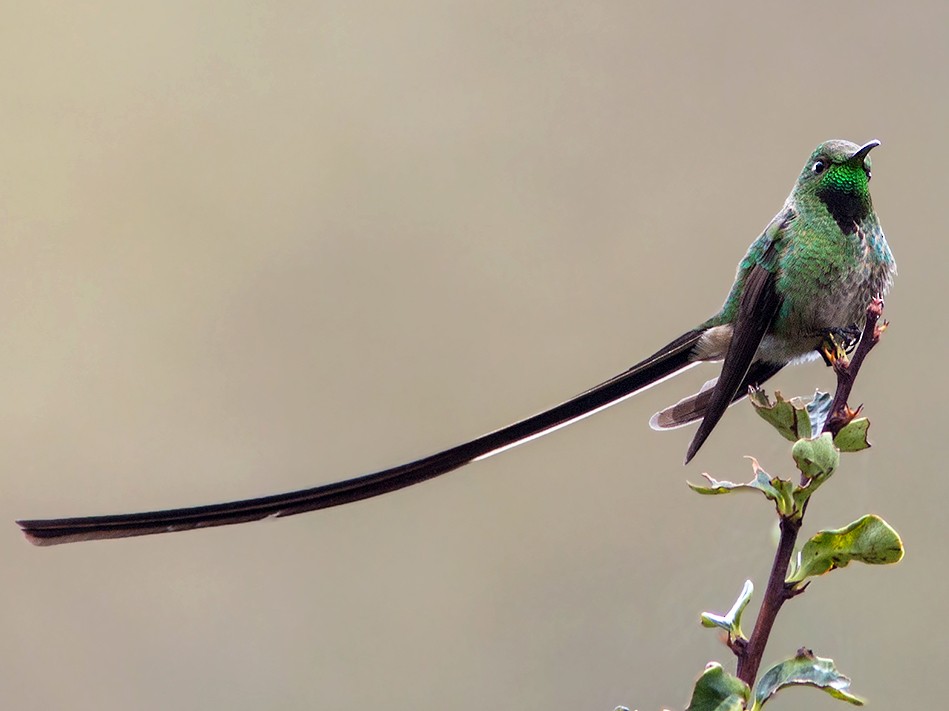
(Suzanne Labbé, 2014)
3. Long-tailed Hummingbird (Lesbia victoriae): One of the most common and fascinating winged gems found in Quito’s urban gardens. Its tail, which can be twice the length of its body, offers an incredible visual spectacle. The district is internationally recognized as one of the global capitals of hummingbirds due to the more than 50 species that can be spotted within its territory (Birds and Conservation, 2026).
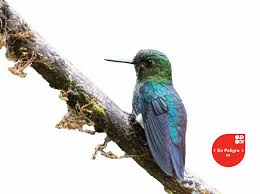
(Aves y Conservación, 2026)
4. The Black-breasted Zamarrito (Eriocnemis nigrivestis): This small hummingbird is one of the very few birds strictly endemic to Quito, meaning it inhabits exclusively the slopes of the Pichincha Volcano and surrounding areas. It is currently classified as critically endangered, highlighting the urgency of protecting its fragile habitat (Quito sin minería, 2023).
The Hotel’s Commitment to Sustainability
As part of our environmental responsibility and in line with the city’s high standards of tourism quality, our hotel takes concrete steps to actively contribute to the conservation of local biodiversity:
-
- Responsible use of water and energy
- Reduction of single-use plastics
- Promotion of local and sustainable products
- Environmental education for guests and staff
- Support for conservation and responsible tourism initiatives
- Gardens with plants native to Quito
Visiting Quito offers a unique opportunity to admire one of the most biodiverse regions on the planet. However, it also comes with a shared responsibility: to protect the very things that fill us with wonder.
At Rincón Familiar Hotel Boutique, we invite every visitor to play an active role in this mission. Small actions, such as strictly staying on the trails in national parks, avoiding littering in natural areas, and supporting local conservation initiatives, create a lasting positive impact on our biodiversity.
Quito’s flora and fauna are a natural treasure that deserves to be protected. Integrating this awareness into the hotel experience not only significantly enriches guests’ stays but also strengthens our collective commitment to sustainable and responsible tourism.
Caring for Quito’s nature means caring for its identity, its future, and the beautiful legacy we will leave for future generations.
About The Author: Admin
More posts by admin